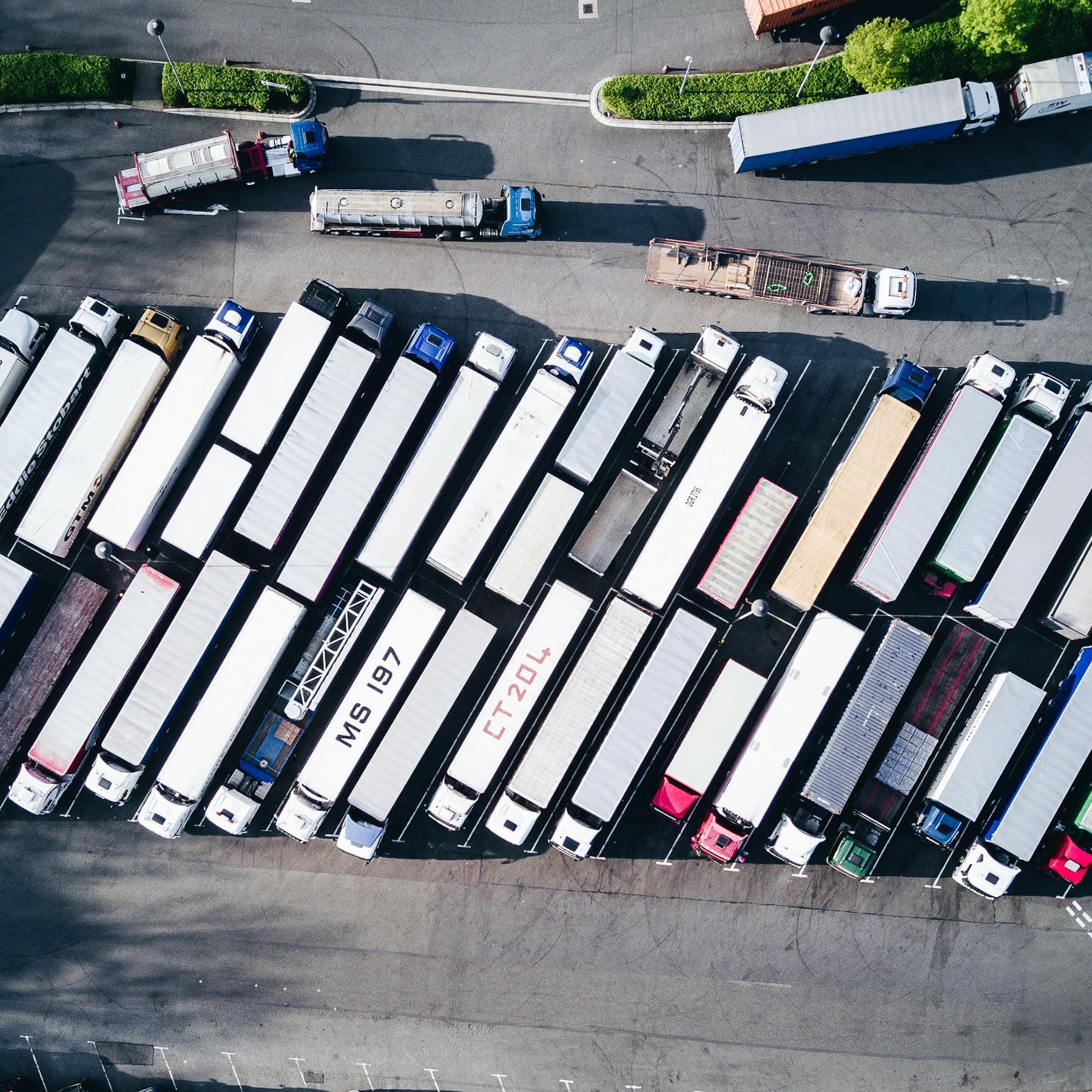
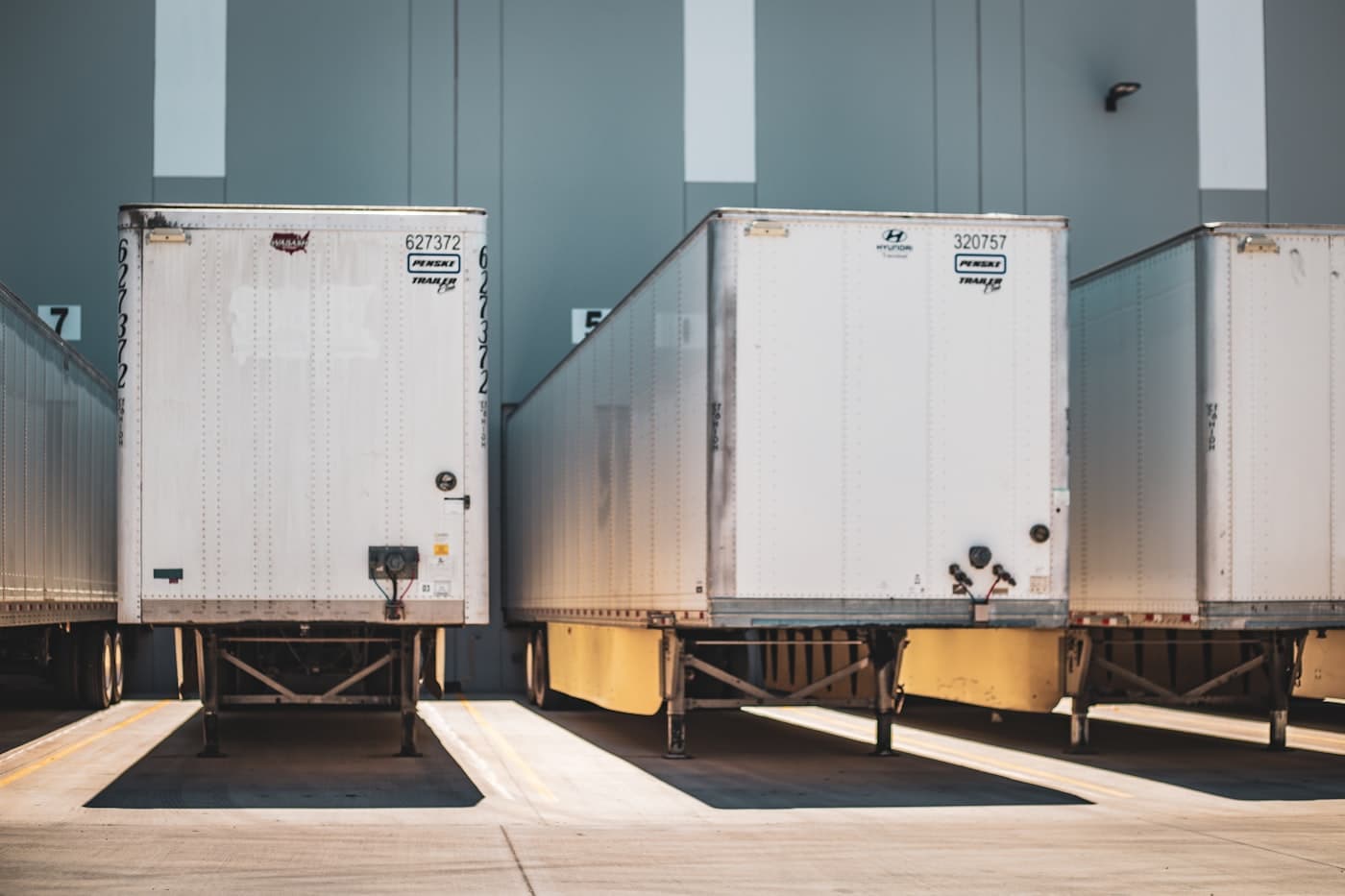
The journey from the warehouse door to the customer: planning, consolidation, routing and delivery.
Distribution logistics covers the process that begins when goods leave the warehouse and ends at the final delivery point. It is the link in the supply chain closest to the customer — which is why mistakes here are the most visible ones.
Planning
A good distribution day is planned the day before. Orders are grouped by region and routes are built around delivery windows and vehicle capacity. A vehicle that leaves without a plan ends up driving to the same region twice.
Consolidation
Combining shipments bound for the same region is the single decision that most defines the economics of distribution. Consolidation lowers unit transport cost, raises vehicle fill rate and reduces the carbon footprint. In exchange it introduces some waiting time; the right balance is set by the delivery window your customer expects.
Delivery and feedback
- Every shipment moves with a dispatch note
- The recipient and the time of delivery are recorded
- A predefined procedure exists for damaged deliveries
- Undeliverable shipments are reported the same day and rescheduled
Success in distribution is measured less by speed than by predictability. If your customer knows when the shipment will arrive, an extra day is rarely a problem. If they do not know, even the fastest delivery generates complaints.